


Greening Industry: Amata’s Community Forest Initiatives and Biodiversity Stewardship
Celebrating World Biodiversity Day: Collaborative Action for Lasting Eco-Industrial Harmony
Biodiversity and Sustainable Industrial Growth
World Biodiversity Day reminds us that healthy ecosystems are vital for thriving communities. At Amata Corporation, biodiversity isn't just a technical requirement, it's a guiding principle for balancing industrial development with environmental stewardship for collective health of people and environment.
Amata’s ‘All Win’ philosophy ensures business, community, and nature all benefit. Green spaces within industrial estates provide more than beauty, they support wellbeing, and improve air quality by absorbing carbon.
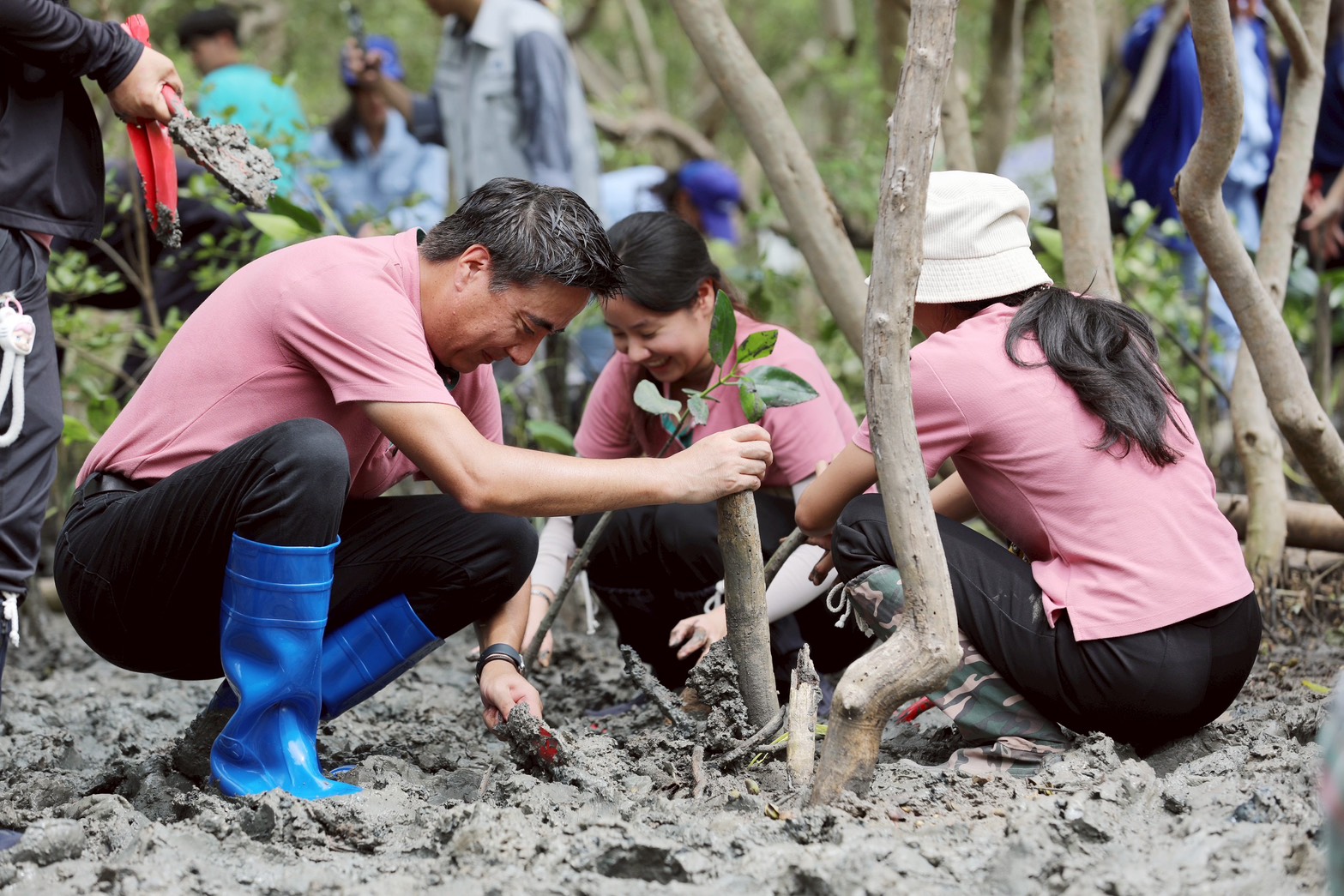
Amata’s approach recognizes that trees, waterways, and shared green areas are part of everyday life and a legacy for future generations. By combining effective management with community partnerships, Amata transforms industrial estates into balanced environments where both industry and nature can thrive.
Maintaining trees and green zones in Thailand’s industrial areas is challenging, especially with infrastructure like above-ground electricity. In Amata’s newest zones, extra space is reserved for green areas and tree planting.
Across all Amata projects, green areas exceed 10% of total space—over 4,600 rai (736 hectares) dedicated to nature.
Amata’s Eco-Industrial Town initiative extends environmental leadership into neighboring communities. The “Converting Public Areas to Community Forest” project unites Amata, local factories, and residents to reforest neglected spaces with native trees, turning them into vibrant community forests.
A standout example is the Forest for Life Project (2019–2025). In partnership with Tokai Rika (Thailand), this project restored a 12-rai public area in AMATA City Rayong, planting 32,500 native trees (including 3,500 in 2025 alone) and bringing new life to the land.
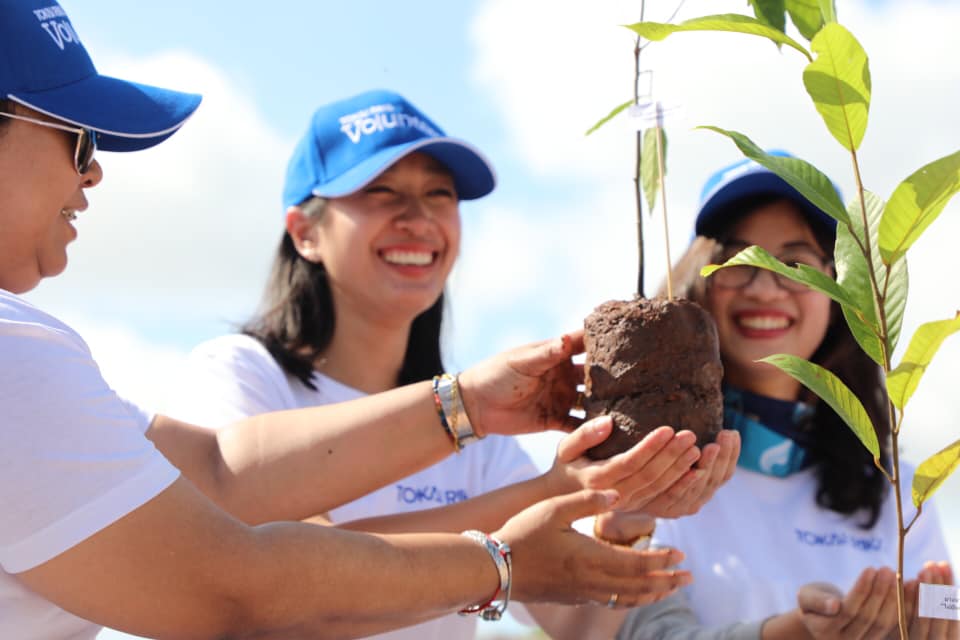
This collaborative project brings together factory managers, employees, and the public sector to plant trees—not just for the environment, but to build a community with a shared sense of environmental responsibility.
Amata’s biodiversity efforts also include aquatic restoration . In 2025, over 400,000 fish and 200,000 giant freshwater prawns were released at Dok Krai Reservoir, adding to more than 3.7 million fish released since the project began. In Chonburi, 9,300 fish and 1,000 mangrove trees were added to local waterways, boosting native species and healthier ecosystems.
In 2018, Amata launched the Model Community Project for Sustainable Water and Waste Management to improve water quality and promote best practices in surrounding neighborhoods.
This project works with local administrations to promote waste segregation and proper wastewater management, using Amata’s expertise to prevent pollution of local water systems.
Since 2018, the project has worked with local water catchment areas around Amata City Chonburi. Results are measured by Biochemical Oxygen Demand (BOD) levels, which in 2025 averaged 5.2 mg/L—much better than both national standards (20 mg/L) and Amata’s own target (10 mg/L).
In waste management, Amata reached its ambitious goal of “zero waste to landfill” in 2022 and has consistently maintained this achievement for solid waste collection at its Chonburi site. This accomplishment is made possible by the on-site waste transfer station, where as much solid waste as possible is recycled, and the remainder is sent to waste-to-energy facilities.
A key example of Amata’s commitment to the circular economy is the “Re-No-Waste” project, which collaborates with tenants to upcycle waste materials, such as plastic bottles or plastic scrap, into new products like school bags or for use in the plastic road project. This initiative closes the material loop and delivers social benefits to the local community.
Amata’s formal biodiversity policy aligns with international standards such as the CBD and Rio Declaration. Their approach follows a mitigation hierarchy: avoid, minimize, restore, and offset impacts. New developments are carefully screened to stay clear of protected areas, and annual risk assessments, buffer zones, and “no net loss” targets ensure ongoing responsible management.
Environmental Impact Assessments (EIA) are core to Amata’s process, covering both project sites and a five-kilometer surrounding area. Amata reports in line with GRI 101: Biodiversity 2024, tracking efforts to halt and reverse biodiversity loss, manage impacts, and monitor direct drivers of change. The company is also enhancing aquatic animal surveys and biogenic CO2 data collection.
Amata’s journey continues, strengthened by partnerships with universities and communities. New biodiversity monitoring programs will map species and ecosystem health, guiding further restoration and better management for enduring ecological and economic value.
Amata’s commitment to biodiversity and community forests proves that sustainable industrial development is both possible and meaningful when guided by shared responsibility. Through collaborative action, measurable goals, and long-term care for land and water, Amata creates green spaces, restores habitats, and enhances quality of life. Here, biodiversity isn’t just a theme—it’s a core principle shaping progress, ensuring that both people and nature thrive for generations.

Start
Building the Future
with AMATA
Contact us for more details.
(+66) 38 939 007
(+84) 251 3991 007 (South)
(+84) 203 3567 007 (North)
(+95) 1 230 5627
(+856) 21 810007
(+856) 20 5710007 (Chinese)
(+856) 20 57550007 (English)
© AMATA CORPORATION PCL. All rights reserved.  Web by Toneyes